

“According to research by Transunion, credit card fraud is projected to surge to $43 billion dollars worldwide by 2026.”
Card Skimmers in sketchy areas
This tip is especially true when it comes to ATMs and gas station pumps. These two locations are known spots that criminals use to hide card skimmers to illegally capture your card information. Any area where card readers are easily accessible to the public, without supervision or oversight, can be a perfect spot for fraudsters to install these card skimmers without being noticed or detected.

“FICO tracked a sharp rise in skimming scams across the nation in 2023, with a 96% increase in fraudulent charges on debit cards, and the FBI estimates skimming costs financial institutions and consumers more than $1 billion each year.”
You can reduce the risk of credit card fraud by using gas stations that are well-lit and have security cameras, the alternative is to opt to pay inside rather than paying at the gas pump. When it comes to using an ATM, choosing the ones at your financial institution and local branches tend to be safer as they have security cameras as well performing regular sweeps on their machines.
Ignore Phishing Emails and Text Messages
Have you ever received a text message from the postal service saying your package could not be delivered? Or how about receiving emails stating you won a prize, or you need to renew your subscription by entering your credit card? Whatever the case may be, it’s important to recognize that these are phishing schemes in attempt to steal your information.
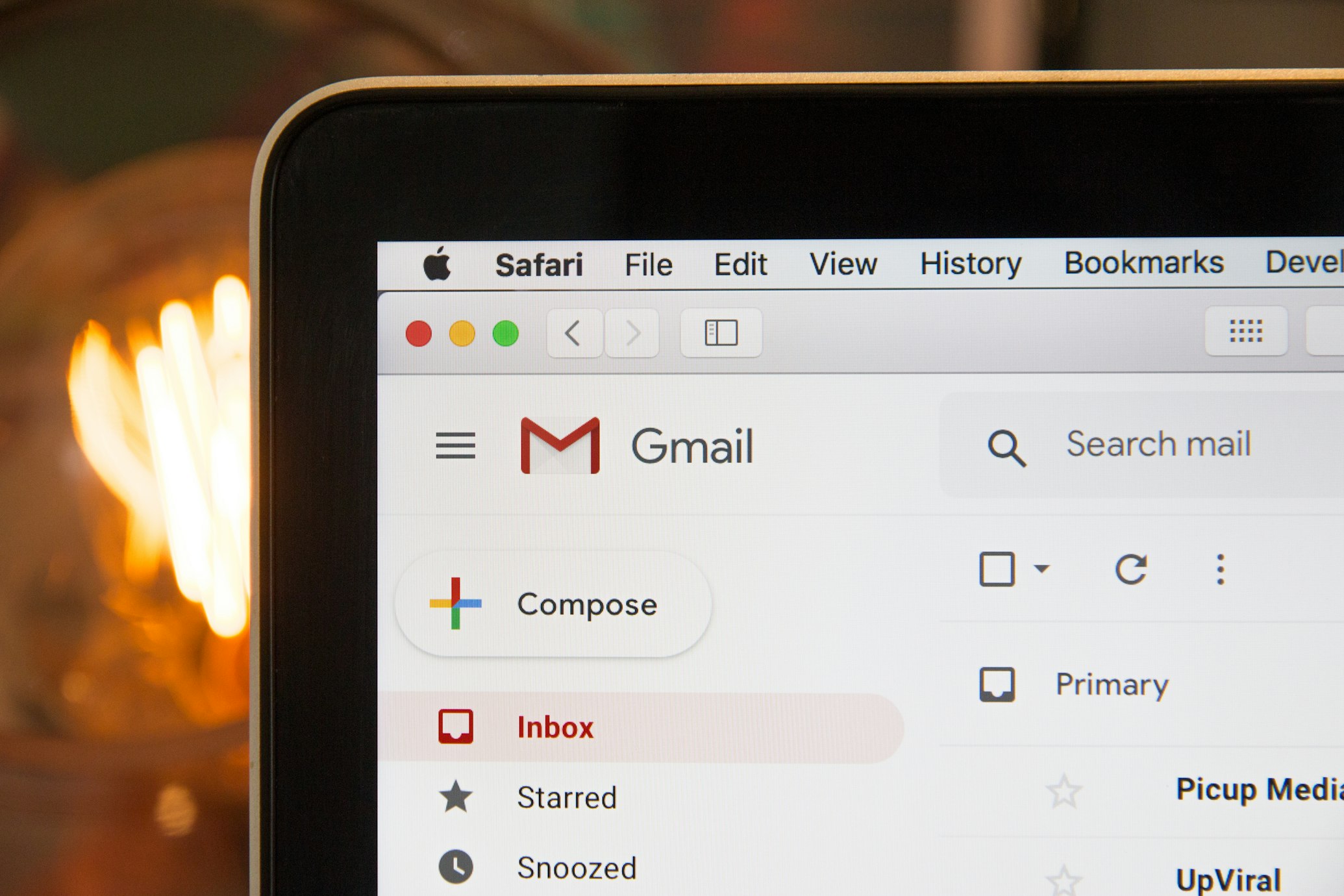
You wouldn’t give your credit card to just anybody that asks, that applies to anyone online as well. The best way to prevent your credit card information from being compromised by these phishing attempts is to simply ignore them and report it.
Avoid Purchasing From 3rd Party Merchants
We all cherish a good deal, but when does it cross the line into deception? My wife and I purchased a wardrobe closet online at a 50% discount from a website unfamiliar to us. Despite numerous customer reviews, which later turned out to be fabricated, we decided to take the chance. Regrettably, the website was a front for fraudulent activities aimed at stealing both money and credit card information.
Red Flags for Fake E-commerce Websites
- Unprofessional Design: The site looks sloppy, grammatical errors and poor quality in the overall look and feel.
- Too Good to be True Offers: There are unrealistic discounts on items that are significantly higher on reputable companies.
- No Reviews or Testimonials: If you can’t find any reviews or if all reviews are overwhelmingly positive and lack detail, proceed with caution.
- Insecure Checkout Process: Ensure that the checkout process is secure. Look for a padlock icon in the browser’s address bar or “-https://-” at the beginning of the URL to indicate a secure connection.
Spoofing Phone Numbers
In today’s world, answering your smartphone can be challenging due to the barrage of unsolicited calls from spam callers. However, what if your credit union or bank is the one calling? For many, the immediate response is a definite yes. After all, it’s your financial institution reaching out – why wouldn’t you pick up? What if it’s something urgent or important?

What if I told you that was wrong? I’m not suggesting dismissing such calls altogether. Rather, it’s crucial to be aware that fraudsters often spoof their phone numbers to mimic those of your financial institution. Their aim is to deceive you into divulging sensitive information, such as your account username and password, card details, and even sending you a security passcode for verification purposes. The best way to ensure your financial institution is indeed actually calling you, is to call the phone number printed on the back of your card.
Conclusion
In summary, protecting your credit card information requires a proactive approach in today’s digital landscape. The surge in skimming scams, phishing tactics, fraudulent e-commerce platforms, and phone number spoofing underscores the importance of staying vigilant.
Employing strategies such as using secure ATMs and gas stations, disregarding suspicious communications, exercising caution with online purchases, and verifying the authenticity of incoming calls, consumers can fortify their defenses against cyber threats.
By remaining informed and implementing these preventative measures, individuals can safeguard their financial assets and minimize the risk of falling victim to credit card fraud in an ever-evolving digital environment.
 temperfinance.com
Leave a comment